
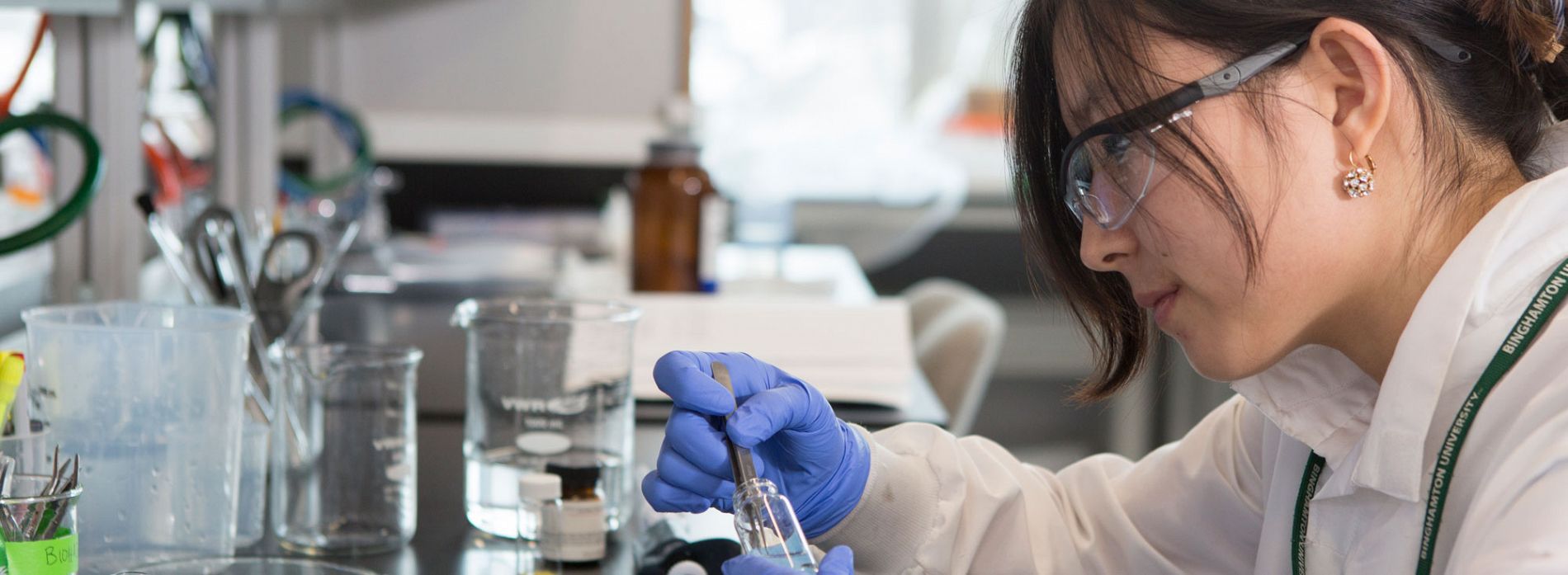
Imagine stepping into a world where your curiosity is your guide, and every question you ask leads to new discoveries. At Binghamton University, the Projects for New Undergraduate Researchers (BUPNUR) program is opening doors for students to embark on such journeys, offering a unique opportunity to dive into research without prior experience.
A Gateway to Discovery
Launched in 2024, the BUPNUR program is designed to be a gateway for students eager to explore the world of research. Whether you're a budding scientist, an aspiring historian, or a future engineer, this program is crafted to nurture your passion and curiosity. With applications for the Spring 2026 session open until November 14, 2025, now is the perfect time to consider this transformative experience.
Support and Mentorship
One of the standout features of the BUPNUR program is its commitment to providing robust support and mentorship. Students are paired with faculty mentors who guide them through their research projects, offering invaluable insights and encouragement. This mentorship is not just about academic growth; it's about personal development and building confidence in one's abilities.
"The BUPNUR program is a wonderful opportunity for students to engage in research early in their academic careers, providing a foundation that can shape their future endeavors," said Dr. Emily Johnson, a faculty mentor in the program.
Financial Accessibility
Recognizing that financial barriers can often hinder students from pursuing research opportunities, BUPNUR offers stipends to participants. These stipends are designed to make research accessible to all students, regardless of their financial background. For part-time commitments, students can receive $1,250, while full-time summer commitments come with a $5,000 stipend. This financial support ensures that students can focus on their research without the added stress of financial concerns.
A Multidisciplinary Approach
The BUPNUR program is not limited to a single field of study. It embraces a multidisciplinary approach, inviting students from various disciplines to participate. This diversity enriches the research experience, fostering collaboration and innovation across different fields. It's a chance for students to learn from one another and to see how different perspectives can lead to groundbreaking discoveries.
As the application deadline approaches, students are encouraged to seize this opportunity to grow, learn, and contribute to the world of research. The BUPNUR program is more than just an academic endeavor; it's a journey of personal growth and discovery.
Originally published at https://www.binghamton.edu/student-research-and-scholarship/undergraduate-research/projects.html
ResearchWize Editorial Insight
The article on Binghamton University's Projects for New Undergraduate Researchers (BUPNUR) program is a beacon of opportunity for both students and researchers. It highlights a nurturing environment where curiosity is the compass, guiding students through the uncharted territories of research. For teachers, this program underscores the importance of fostering an inquisitive mindset in students, encouraging them to ask questions and explore beyond the textbook. It serves as a reminder that education is not just about imparting knowledge but also about inspiring students to seek their own answers.
In the classroom, this translates to creating spaces where students feel safe to express their ideas and where their diverse perspectives are valued. The BUPNUR program's emphasis on mentorship mirrors the role of teachers as guides who support students in their academic and personal growth. By pairing students with faculty mentors, the program ensures that learners are not navigating their research journeys alone, but with the guidance of experienced individuals who can offer insights and encouragement.
The financial accessibility of the program is particularly noteworthy. By providing stipends, BUPNUR removes economic barriers, making research opportunities available to all students, regardless of their financial background. This is a crucial step towards inclusion, ensuring that every student has the chance to engage in transformative educational experiences.
Moreover, the program's multidisciplinary approach is a testament to the power of diverse perspectives in driving innovation. In a classroom setting, this can be mirrored by encouraging collaboration across different subjects and disciplines, allowing students to see the interconnectedness of knowledge and how it can lead to groundbreaking discoveries.
For researchers, the BUPNUR program is a reminder of the importance of mentorship and support in nurturing the next generation of scholars. It highlights the role of experienced researchers in guiding young minds, helping them to develop the skills and confidence needed to contribute to their fields.
In essence, the BUPNUR program is more than just an academic opportunity; it's a journey of personal growth and discovery, one that teachers and researchers alike can draw inspiration from as they work to cultivate a love of learning and exploration in their students.
Looking Ahead
In the evolving landscape of education, AI offers a canvas filled with potential for learning and growth. Picture a classroom where AI acts as a gentle guide, helping students navigate their educational journey. This is where AI education could blossom next, with a focus on collaboration, inclusivity, and emotional intelligence.
Imagine AI as a supportive thread weaving through the classroom, connecting students with diverse learning styles. It can offer personalized feedback, helping students understand complex concepts at their own pace. This individualized attention can foster a more inclusive environment, where every student feels seen and heard.
In this future classroom, AI could facilitate collaborative learning, encouraging students to work together on projects that span disciplines. By analyzing data and generating insights, AI can help students make connections between subjects, promoting a holistic understanding of the world. This approach not only nurtures critical thinking but also inspires creativity and innovation.
The emotional side of schooling is equally important. AI can support teachers in identifying students who may need emotional or social support, ensuring that no student falls through the cracks. By creating a nurturing environment, AI can help build a community where students feel safe to express themselves and explore their passions.
To make this vision a reality, educators and technologists must work hand in hand, designing AI tools that are as empathetic as they are intelligent. As we look ahead, the goal should be to create a learning environment where AI complements the human touch, enriching the educational experience for all students.
Originally reported by https://www.binghamton.edu/student-research-and-scholarship/undergraduate-research/projects.html.
Related Articles
- Education Budget 2026 LIVE: IIT Creator Labs, new design institute, girls’ hostels and Ayurveda centres a
- Academic AI Assistants
- Student engagement with AI tools in learning: evidence from a large-scale Estonian survey
📌 Take the Next Step with ResearchWize
Want to supercharge your studying with AI? Install the ResearchWize browser extension today and unlock powerful tools for summaries, citations, and research organization.
Not sure yet? Learn more about how ResearchWize helps students succeed.