
As artificial intelligence continues to permeate various sectors, its impact on education is a focal point of discussion among policymakers and educators. The Economic Times recently highlighted the potential for AI to revolutionize educational practices, while also underscoring the need for careful consideration of the associated risks and ethical implications.
The Promises of AI in Education
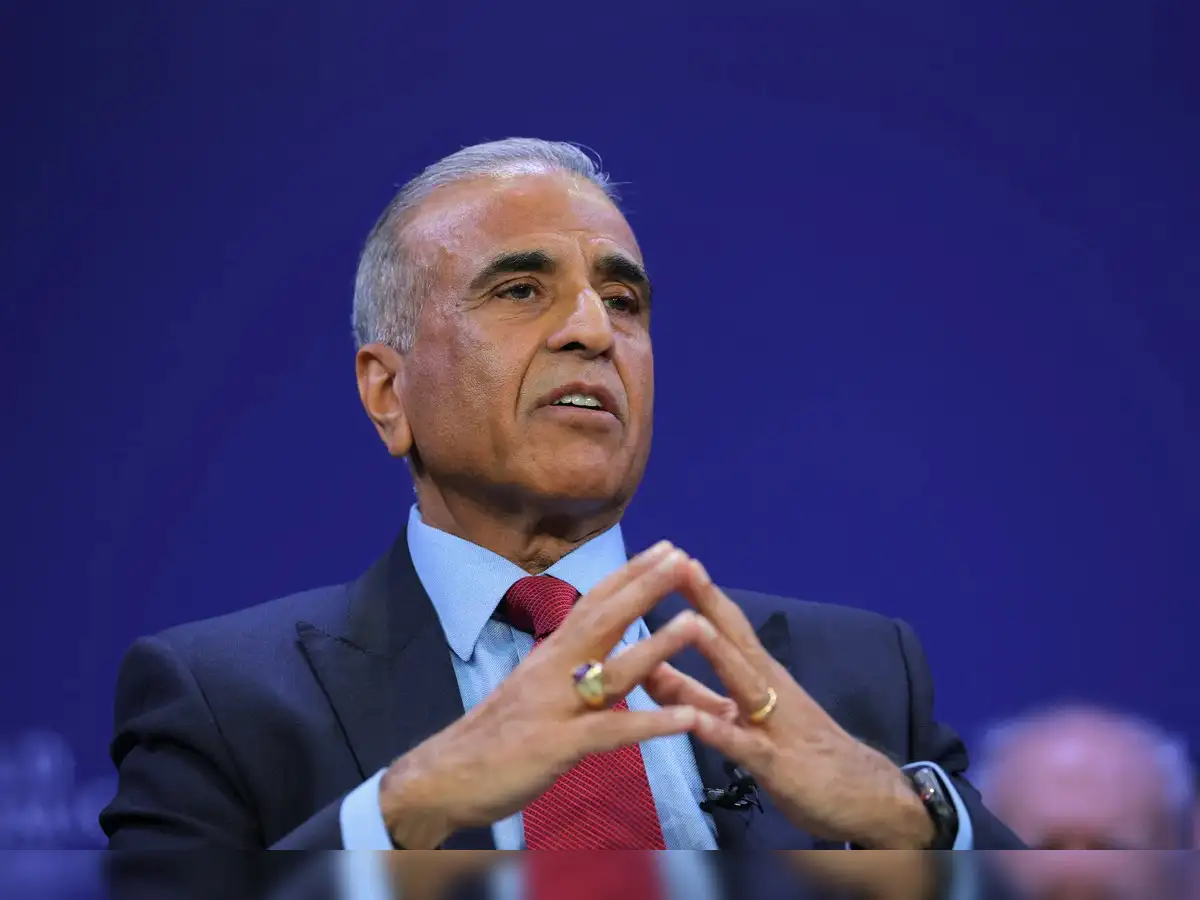
AI technologies offer unprecedented opportunities to enhance educational outcomes. From personalized learning experiences to administrative efficiencies, AI promises to reshape how education is delivered and accessed. Sunil Mittal, Chairman of Bharti Enterprises, expressed optimism about AI's potential, stating, "Healthcare, education, deep research—all areas will flourish with AI."
Challenges and Ethical Considerations
Despite the promising prospects, the integration of AI in education is fraught with challenges. Concerns about data privacy, algorithmic bias, and the digital divide need to be addressed to ensure equitable access and fair treatment for all students. The lack of regulatory frameworks further complicates the deployment of AI tools in educational settings.
"While AI can significantly enhance learning experiences, it is crucial to develop clear guidelines to mitigate risks related to academic integrity and privacy," cautions education policy expert Dr. Lisa Han.
Regulatory Oversight and the Path Forward
The absence of comprehensive regulatory oversight poses a significant risk to educational institutions. Without clear guidelines, schools and universities may inadvertently expose themselves to legal liabilities. Policymakers are urged to collaborate with educational leaders and AI experts to establish robust frameworks that balance innovation with ethical considerations.
As AI continues to evolve, its role in education will undoubtedly expand. However, the path forward requires a delicate balance between embracing technological advancements and safeguarding the fundamental values of education. Stakeholders must remain vigilant and proactive in addressing the ethical and regulatory challenges that accompany AI integration.
Originally published at https://m.economictimes.com/tech/technology/healthcare-education-deep-research-all-areas-will-flourish-with-ai-bharti-chairman-sunil-mittal/articleshow/128543517.cms
ResearchWize Editorial Insight
Ladies and gentlemen, esteemed educators,
Today, we delve into a transformative force reshaping the landscape of education: artificial intelligence. The Economic Times recently spotlighted AI's potential to revolutionize educational practices, presenting both opportunities and challenges that demand our attention.
AI promises to personalize learning, streamline administrative tasks, and potentially improve educational outcomes. Imagine a classroom where each student receives tailored instruction, maximizing their potential. Sunil Mittal, Chairman of Bharti Enterprises, envisions a future where AI fosters growth in education, healthcare, and research.
Yet, these promises come with significant caveats. The integration of AI is not without risk. Data privacy concerns, algorithmic bias, and the digital divide threaten to widen existing inequalities. Dr. Lisa Han warns us about the need for guidelines to protect academic integrity and privacy.
Regulation is conspicuously absent. Without it, educational institutions face potential legal and ethical pitfalls. Policymakers must collaborate with educators and AI experts to craft frameworks that encourage innovation while upholding ethical standards.
As AI's role expands, we must ask: How do we balance technological advancement with the core values of education? How do we ensure equitable access for all students? The answers will shape the future of education.
Thank you.
Looking Ahead
1. Curriculum Revolution: The future of education demands a curriculum overhaul. Are we equipping students with the tools to navigate an AI-driven world? Traditional subjects must be infused with AI literacy. Coding, data analysis, and algorithmic thinking should become as fundamental as reading and writing. If we lag, we risk creating a generation unprepared for the challenges of tomorrow.
2. Teacher Transformation: Educators are the linchpins of this transformation. We need to redefine their roles — from information gatekeepers to facilitators of AI-enhanced learning. Professional development must prioritize AI fluency. What training programs are in place to ensure teachers aren't just users, but shapers of AI technology?
3. Ethical AI in Classrooms: We must not ignore the ethical dimensions. AI's role in education is not just about efficiency; it's about equity and integrity. How will we safeguard against algorithmic biases that could perpetuate inequality? Schools need to adopt ethical guidelines and transparency in AI applications, ensuring fairness for all students.
4. Regulatory Frameworks: The pace of AI advancement threatens to outstrip regulatory measures. What happens if regulators fall behind? We need agile policies that adapt to technological changes without stifling innovation. Collaborative efforts between educators, policymakers, and tech experts are essential to craft regulations that protect student data and privacy.
5. Bridging the Digital Divide: The digital divide remains a glaring issue. AI could widen this gap if not addressed. Access to AI tools and resources should be universally available, regardless of socioeconomic status. Are we investing enough in infrastructure to ensure all students benefit from AI-driven education?
6. AI as a Learning Partner: Envision AI not as a replacement but as a partner in education. Adaptive learning systems can provide personalized feedback, catering to individual learning styles and paces. However, we must question: Will reliance on AI diminish critical thinking and problem-solving skills?
7. Continuous Evaluation: The integration of AI in education should be a dynamic process. Regular assessments of AI tools' efficacy and impact on learning outcomes are crucial. Are we prepared to pivot strategies based on evidence and feedback?
In conclusion, the path forward is fraught with challenges but brimming with potential. As we stand on the brink of an educational metamorphosis, the imperative is clear: we must act decisively, ethically, and collaboratively to harness AI's power for the greater good of education. The future is not a distant horizon; it's being shaped now. Are we ready to lead it?
Originally reported by https://m.economictimes.com/tech/technology/healthcare-education-deep-research-all-areas-will-flourish-with-ai-bharti-chairman-sunil-mittal/articleshow/128543517.cms.
Related Articles
- Studying Data Science in the Age of AI: What’s Changing, What’s Not
- The Roles of Artificial Intelligence in Teaching Anatomy: A Systematic Review
- Governor Hochul Announces "Empire AI" Initiative Across SUNY Campuses to Advance AI Education and Research
📌 Take the Next Step with ResearchWize
Want to supercharge your studying with AI? Install the ResearchWize browser extension today and unlock powerful tools for summaries, citations, and research organization.
Not sure yet? Learn more about how ResearchWize helps students succeed.