
In the rapidly evolving landscape of educational technology, the introduction of AI detection tools in schools has sparked a contentious debate. While intended to uphold academic integrity, these tools have inadvertently placed undue stress on students, raising ethical and practical concerns about their use and reliability.
False Accusations and Student Anxiety
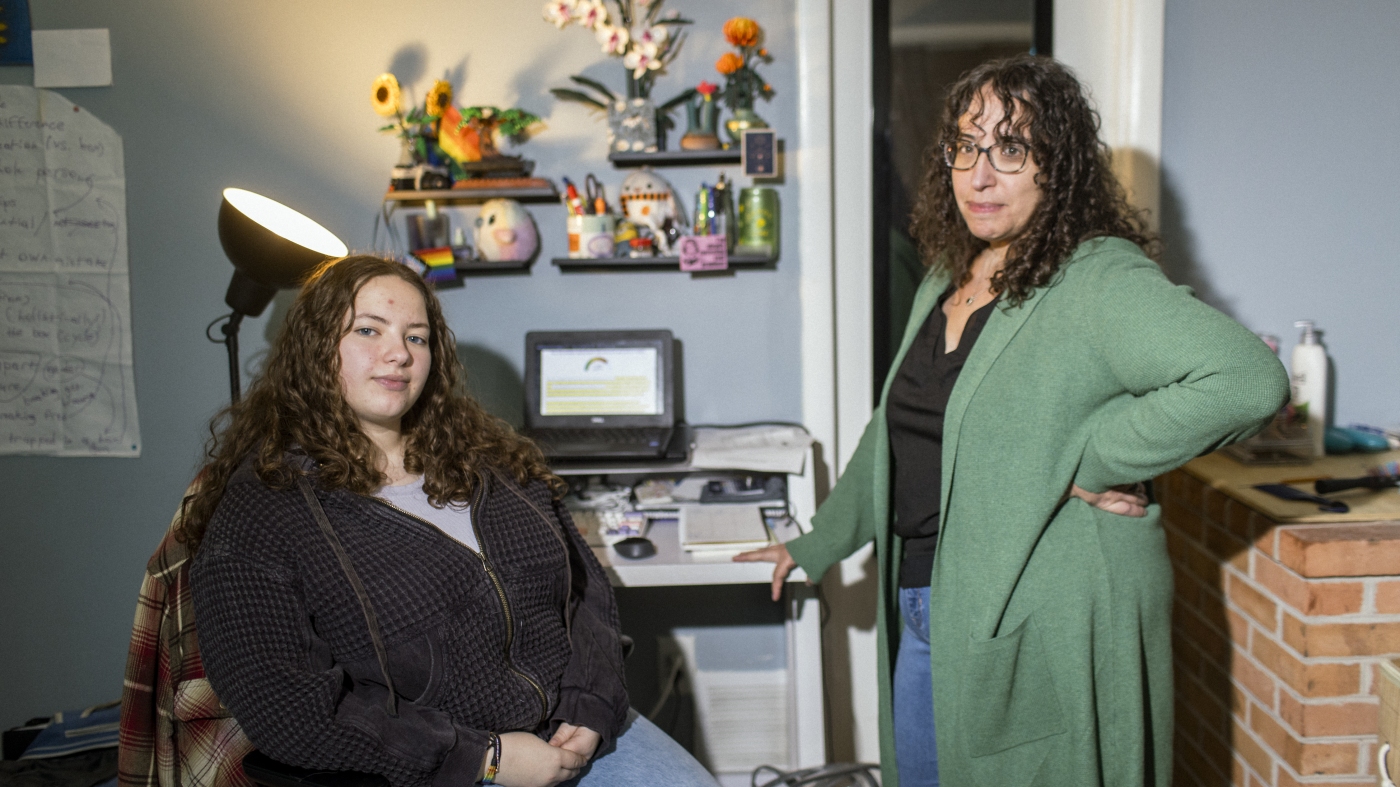
Ailsa Ostovitz, a high school junior, found herself at the center of this controversy when she was accused of using AI to complete her assignments. In an effort to preempt further accusations, Ostovitz began running her work through multiple AI detection tools before submission. This proactive approach, however, underscores a significant issue: the unreliability of these detection tools.
"The tools are meant to catch cheaters, but they often flag legitimate work, causing unnecessary stress and anxiety for students," Ostovitz remarked during an interview.
Unreliable and Biased Detection
Despite their widespread adoption, many AI detection tools are fraught with inaccuracies and biases. These tools often produce false positives, mistakenly identifying authentic student work as AI-generated. This is particularly problematic for non-native English speakers, whose work might be unfairly scrutinized due to linguistic differences.
The biases inherent in these tools could exacerbate existing educational inequalities, disproportionately affecting students from diverse linguistic and cultural backgrounds. This raises ethical questions about the fairness of relying on technology that may not be equipped to accurately assess the nuances of student work.
The Need for Clear Guidelines and Oversight
The use of AI detection tools in education necessitates clear guidelines and regulatory oversight. Without these, educational institutions risk not only compromising student trust but also facing potential legal liabilities. Schools must consider the broader societal implications of deploying such technology, ensuring that it serves to enhance rather than hinder the educational experience.
As the debate continues, it is crucial for policymakers, educators, and technology developers to collaborate in creating equitable and reliable solutions. Such collaboration should aim to protect academic integrity while respecting student rights and promoting a fair learning environment.
Originally published at https://www.npr.org/2025/12/16/nx-s1-5492397/ai-schools-teachers-students
ResearchWize Editorial Insight
AI detection tools in schools are like a double-edged sword, cutting both ways in the quest for academic integrity. These tools, designed to catch cheaters, often end up slicing through student trust and morale.
For students and researchers, this article highlights a pressing issue: the reliability and fairness of AI in educational settings. False positives not only stress students but also question the validity of AI as a tool for maintaining academic integrity.
The potential biases against non-native English speakers point to a systemic risk of exacerbating educational inequalities. This is a red flag for researchers studying the intersection of technology and education, urging a closer look at how AI can inadvertently reinforce biases.
The call for clear guidelines and oversight is crucial. Without them, schools risk legal challenges and eroding student confidence. For policymakers and educators, the challenge is to balance technological advancement with ethical responsibility.
Big-picture questions loom: Can AI truly assess the nuances of human creativity and effort? Are we ready to let machines dictate educational fairness? The long-term effects of these tools could redefine trust and equity in education.
Looking Ahead
AI in education is like a double-edged sword, gleaming with potential but perilous if mishandled. As we stand at the precipice of an AI-driven educational revolution, the question isn't just how we wield this tool, but what happens if we fail to adapt our systems to manage it effectively.
1. Curriculum Overhaul: The traditional curriculum is a relic in the face of AI's rapid evolution. We need a sweeping overhaul that integrates AI literacy from a young age. Imagine a future where students don't just learn about AI but learn with AI, understanding its algorithms, ethical implications, and societal impacts. Will our educational institutions rise to the challenge, or will they crumble under the weight of outdated methodologies?
2. Teacher Empowerment: Teachers are not just facilitators but crucial navigators in the AI landscape. Professional development programs must equip educators with the skills to understand and teach AI concepts. This goes beyond mere technical know-how; teachers need to guide students through the ethical quagmires and societal shifts AI entails. Are we investing enough in our educators to prepare them for this pivotal role?
3. Policy and Regulation: AI's integration into education demands strict oversight. We need robust policies that ensure these technologies enhance learning without infringing on student rights. What happens if regulators fall behind? The risk is not just a technological divide but a chasm of inequality that widens with each unregulated AI tool introduced into our classrooms.
4. Ethical Frameworks: Developing a universal ethical framework for AI in education is paramount. This framework should address biases, data privacy, and the psychological impacts of AI on students. Without it, we risk breeding a generation skeptical of technology, rather than harnessing its potential for good. Who will take the lead in crafting these guidelines?
5. Collaborative Innovation: Finally, a call to action for collaboration between tech developers, educators, and policymakers. Innovation should not exist in silos. The future of AI in education depends on our ability to work together, ensuring that these tools are reliable, equitable, and beneficial for all students. Are we ready to break down the barriers that hinder this collaboration?
The time for complacency is over. As AI continues to permeate every facet of education, the decisions we make today will shape the learners of tomorrow. Will we steer this ship towards enlightenment, or let it drift aimlessly into the abyss of technological chaos? The choice is ours, but the clock is ticking.
Originally reported by https://www.npr.org/2025/12/16/nx-s1-5492397/ai-schools-teachers-students.
Related Articles
- Preparing science educators to use and teach AI in the classroom
- We’re Entering a New Phase of AI in Schools. How Are States Responding?
- AI to accelerate national renewal and growth as Google DeepMind backs UK tech and science sectors
📌 Take the Next Step with ResearchWize
Want to supercharge your studying with AI? Install the ResearchWize browser extension today and unlock powerful tools for summaries, citations, and research organization.
Not sure yet? Learn more about how ResearchWize helps students succeed.