
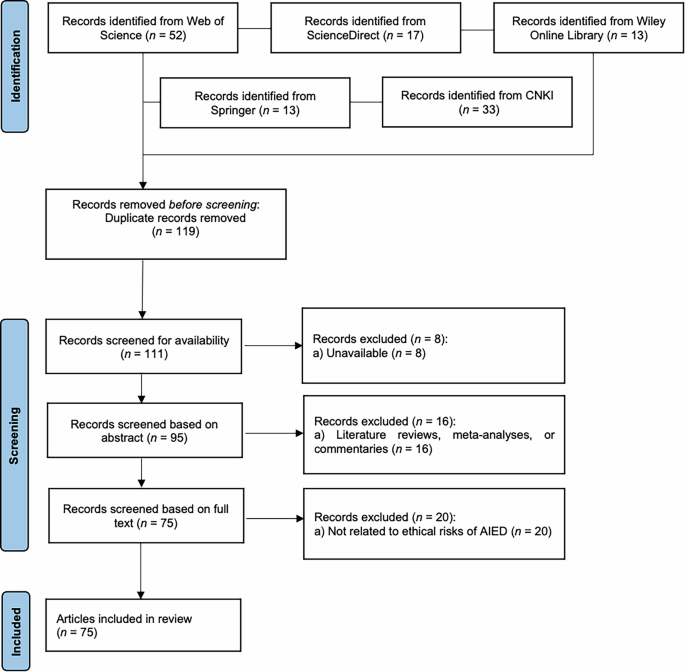
As Artificial Intelligence in Education (AIED) becomes increasingly prevalent, its dual nature of offering significant benefits while posing substantial ethical risks cannot be overlooked. A recent study published in Nature highlights the urgent need for stakeholders to address these challenges through responsible management strategies.
Privacy Invasion and Algorithmic Bias
AIED systems often require access to vast amounts of personal data to function effectively. This necessity raises significant concerns about privacy invasion, as educational institutions collect and store sensitive information about students. The potential misuse or unauthorized access to this data could have severe consequences, including identity theft and unauthorized profiling.
Moreover, algorithmic bias presents another formidable challenge. AI systems, if not properly designed, can perpetuate existing biases or even introduce new ones, leading to unfair treatment of certain groups of students. This bias could manifest in various forms, from skewed grading systems to unequal access to educational resources.
Strategies for Responsible Management
To mitigate these risks, the study proposes several strategies for stakeholders, including educators, policymakers, and technology developers. These strategies emphasize the importance of transparency, accountability, and inclusivity in the development and deployment of AIED systems.
"The integration of AI in education must be accompanied by robust ethical frameworks to ensure that the technology serves all students equitably and responsibly," the study's authors assert.
One recommended approach is the implementation of comprehensive data protection policies to safeguard student information. Additionally, regular audits of AI systems can help identify and rectify any biases, ensuring that these technologies benefit all students fairly.
Broader Societal Impacts
The implications of AIED extend beyond the classroom, affecting society at large. As these systems become more integrated into educational settings, they have the potential to shape future generations' understanding of technology and ethics. It is crucial that educators and policymakers work together to foster an environment where AI is used responsibly and ethically.
In conclusion, while AIED offers promising advancements for educational outcomes, it also necessitates a careful examination of the ethical challenges it presents. By adopting responsible management strategies, stakeholders can harness the benefits of AI while minimizing its risks, ultimately contributing to a more equitable and just educational landscape.
Originally published at https://www.nature.com/articles/s41599-025-05252-6
ResearchWize Editorial Insight
The article "AI in Education: Navigating Ethical Risks" is crucial for students and researchers as it underscores the dual-edged nature of AI in educational settings. The integration of AI systems offers potential benefits, such as personalized learning experiences, but also raises significant ethical concerns, particularly around privacy invasion and algorithmic bias.
For students, understanding these risks is essential as they navigate an increasingly AI-driven educational landscape. Awareness of privacy issues and bias ensures they can advocate for their rights and demand fair treatment. Researchers, on the other hand, are prompted to explore solutions that enhance AI's educational benefits while mitigating its risks. The call for transparency, accountability, and inclusivity in AI development is a rallying cry for innovative research that addresses these ethical challenges.
The long-term societal impacts of AIED systems are profound. As these technologies shape educational experiences, they will influence future generations' perspectives on technology and ethics. Are current policies robust enough to protect student data and ensure equitable AI deployment? How can we ensure that AI serves as a tool for inclusion rather than division? These questions are pivotal as stakeholders work to create a just educational environment where AI is both a boon and a responsibly managed tool.
Looking Ahead
1. AI Literacy Must Become Universal
2. Curriculum Overhaul: Not Optional, But Urgent Current curriculums are outpaced by AI advancements. Schools need to pivot rapidly, integrating AI ethics, data science, and critical thinking as core components. Will educational institutions react fast enough, or will they lag, leaving students unprepared for future challenges?
3. Educators as AI Navigators Teachers need to transition from traditional roles to being facilitators who guide students through the complex AI landscape. This means robust training and ongoing professional development in AI technologies and ethics. Are we investing enough in our educators to handle this shift?
4. Ethical AI Practices: A New Standard Developing an ethical framework for AI in education isn't just a recommendation — it's a necessity. This involves establishing clear guidelines for data use and addressing biases head-on. How will we ensure that AI serves as a tool for equitable education rather than perpetuating existing inequalities?
5. Regulation: The Need for Speed Policymakers must keep pace with technological advancements, crafting regulations that protect student data and promote transparency. What happens if regulators fall behind? The risks of data breaches and algorithmic discrimination could undermine the very fabric of educational integrity.
6. Interdisciplinary Collaboration is Key
The path forward is clear: adapt or be left behind. The stakes are high, and the time to act is now. Will we rise to the challenge, or will we watch as AI redefines education without our input? The choice is ours.
Related Articles
- EdTech Trends in 2026: How Intelligence will Redefine Learning Systems
- 2026-02 - Building AI, the African way
- What do researchers acknowledge ChatGPT for in their papers?
📌 Take the Next Step with ResearchWize
Want to supercharge your studying with AI? Install the ResearchWize browser extension today and unlock powerful tools for summaries, citations, and research organization.
Not sure yet? Learn more about how ResearchWize helps students succeed.