
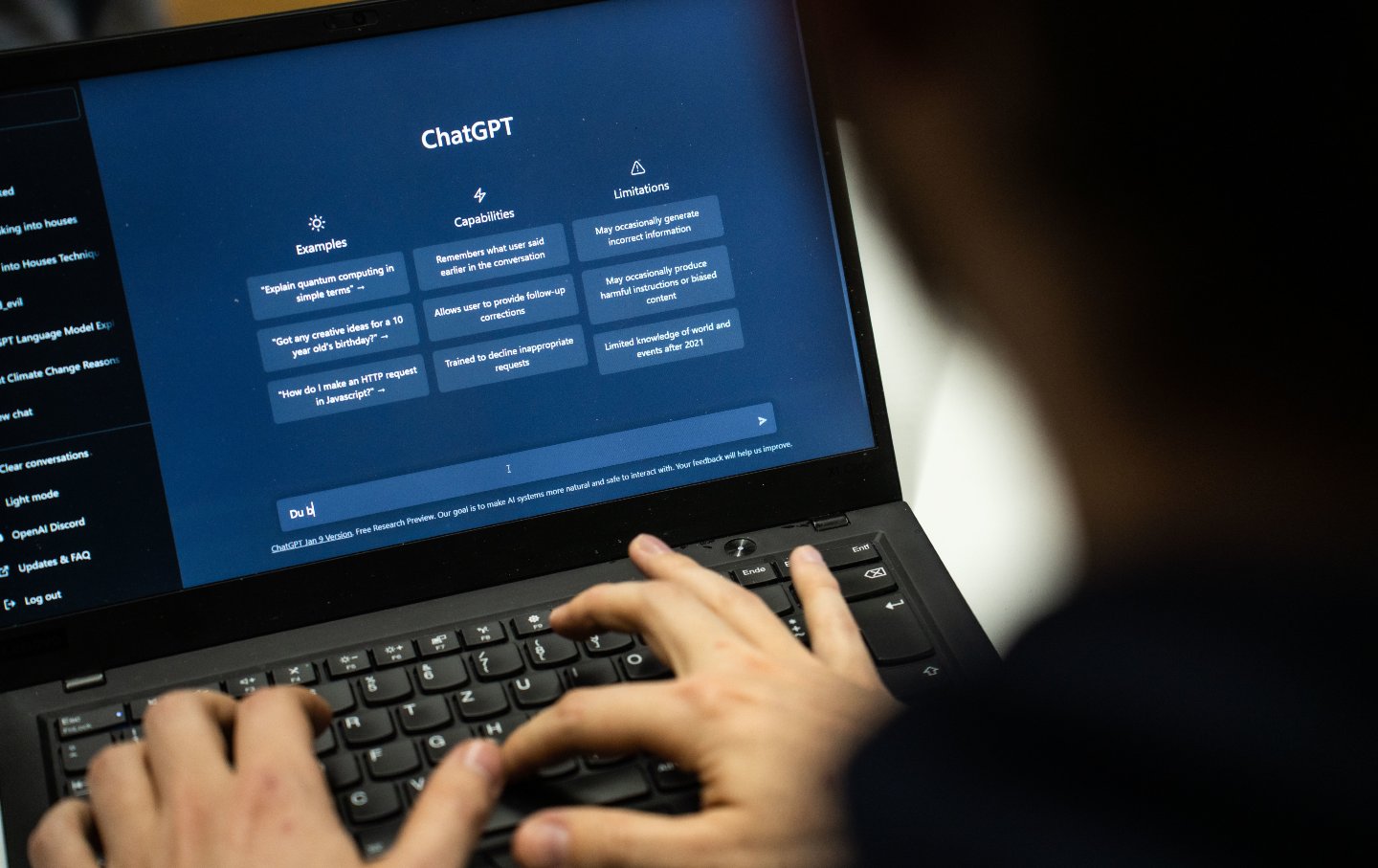
Imagine a world where students have a personal assistant that helps them navigate the complexities of their academic journey. Boston University is bringing this vision to life with the introduction of TerrierGPT, an innovative AI-powered chat platform designed to provide students with access to cutting-edge generative AI models. This initiative is sparking a lively debate on campus about the evolving role of AI in education.
Enhancing Learning with AI
For many students and faculty members, TerrierGPT represents a promising tool that can significantly enhance the learning experience. The platform offers personalized support, helping students tackle challenging subjects, brainstorm ideas, and even refine their writing. By integrating AI into the educational process, Boston University aims to empower students to take charge of their learning paths.
"TerrierGPT is like having a study buddy who's always there to help you think through problems and explore new ideas," says Sarah Johnson, a sophomore at Boston University.
Concerns About AI in Education
Despite the excitement surrounding TerrierGPT, there are valid concerns about its impact on students' critical thinking and creativity. Some worry that an over-reliance on AI could lead to academic dishonesty or diminish students' ability to think independently. The challenge lies in finding the right balance between leveraging AI as a supportive tool and ensuring that students continue to develop essential cognitive skills.
Faculty members are particularly mindful of these concerns. They emphasize the importance of guiding students on how to use AI responsibly and ethically. By fostering a culture of integrity and encouraging students to view AI as a complement to their own efforts, Boston University hopes to address these challenges head-on.
The Future of AI in Education
As Boston University embarks on this exciting journey with TerrierGPT, the broader educational community is watching closely. The potential of AI to transform education is immense, but it requires thoughtful implementation and ongoing dialogue. By engaging students, faculty, and administrators in conversations about the role of AI, Boston University is taking a proactive approach to shaping the future of learning.
Ultimately, the success of TerrierGPT will depend on its ability to inspire students to explore, question, and grow. As the university continues to refine this tool, the hope is that it will become an integral part of a dynamic and student-centered educational experience.
Originally published at https://www.thenation.com/article/society/college-partnerships-artificial-intelligence-tools-boston-university/
ResearchWize Editorial Insight
Imagine education as a vast, ever-evolving garden. Each student is a unique plant, requiring different conditions to thrive. TerrierGPT, Boston University's new AI initiative, is like a gardener's tool—potentially transformative, but only if used with care and understanding.
ResearchWize Analysis:
The article on Boston University's TerrierGPT initiative is significant for both students and researchers as it highlights the intersection of technology and education—a field ripe with potential and challenges. For students, TerrierGPT offers a glimpse into a future where AI can serve as a personalized learning companion, potentially enhancing their academic journey by providing tailored support and fostering independent exploration. However, it also raises important questions about maintaining academic integrity and nurturing critical thinking skills in an AI-enhanced environment.
For researchers, the initiative presents a fertile ground for studying the impacts of AI on learning outcomes, student engagement, and educational equity. It invites inquiry into how AI can be integrated responsibly into educational settings, ensuring that it complements rather than replaces the human elements of teaching and learning. The ongoing dialogue at Boston University serves as a microcosm of the broader conversation about AI in education, offering valuable insights and data for those investigating the future of learning technologies.
In classrooms, this initiative encourages teachers to reflect on their roles as facilitators of learning in a digital age. It underscores the importance of guiding students in the ethical use of AI, helping them discern when and how to leverage technology to enhance their understanding without compromising their ability to think critically and creatively. As educators, we are reminded that while tools like TerrierGPT can enrich the learning experience, the heart of education remains in nurturing the human mind and spirit.
Looking Ahead
In the garden of education, AI is like a new seedling, full of potential to grow and enrich the soil of learning. As we look ahead, nurturing this seedling involves careful planning and tending.
To evolve AI education meaningfully, we might start by integrating AI literacy into the curriculum early on. Students could learn not only how to use AI but also understand its underlying mechanisms. This knowledge would demystify AI, making it a tool they wield with confidence and responsibility.
Collaboration between students and AI can be likened to a dance, where each partner brings unique strengths. In classrooms, this could translate to projects where students work alongside AI to solve problems, analyze data, or create art. Such partnerships would encourage students to view AI as an ally in their learning journey, rather than just a tool.
Inclusion is key to ensuring that AI education benefits everyone. By designing AI tools that are accessible and adaptable, we can accommodate diverse learning needs and styles. This approach would ensure that every student, regardless of their background or abilities, feels supported and valued.
The emotional side of schooling is as important as the intellectual. AI can play a role here, too, by offering personalized feedback and support. Imagine an AI that helps students manage stress by suggesting study breaks or mindfulness exercises, or one that celebrates their milestones, however small.
As we cultivate this garden, ongoing dialogue among educators, students, and technologists will be crucial. By sharing experiences and insights, we can refine our approach, ensuring that AI not only fits into the educational landscape but enhances it.
In this evolving ecosystem, the goal is to create a learning environment where AI empowers students to explore, question, and grow, much like a gardener tending to each plant, ensuring it thrives in its own unique way.
Related Articles
- Webinar "AI Ethics in Global Education: How Can We Anchor Responsible Innovation in Local Contexts?"
- AI in Classrooms: The Future of Education You Need to Understand
- What Does Industry Research Say About K–12 Funding and Leadership?
📌 Take the Next Step with ResearchWize
Want to supercharge your studying with AI? Install the ResearchWize browser extension today and unlock powerful tools for summaries, citations, and research organization.
Not sure yet? Learn more about how ResearchWize helps students succeed.