
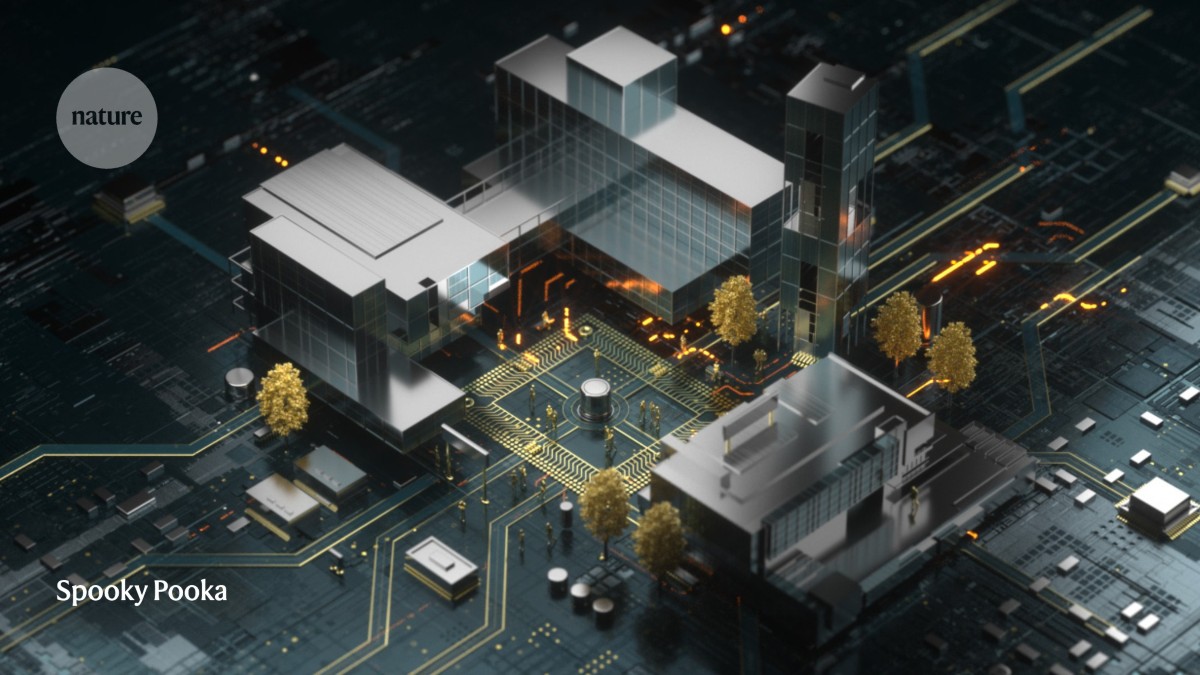
AI and Avatars: Transforming the Classroom Experience
Imagine a classroom where the professor isn't just a familiar face, but a dynamic presence that can change and adapt to the needs of the students. This is the reality that Pan Hui, a forward-thinking professor, is bringing to life with the help of generative AI and avatars. When a student expressed boredom with the repetitive nature of seeing the same professor every lesson, Hui saw an opportunity to innovate and engage.
Incorporating AI into the classroom isn't just about keeping students entertained; it's about creating a more personalized and effective learning environment. By using avatars, Hui can present information in a way that resonates with each student, tailoring the educational experience to their unique preferences and learning styles. This approach is part of a larger trend where young universities are embracing AI technologies to enhance educational experiences and drive student success.
"Our goal is to make learning an exciting and personalized journey for each student," says Pan Hui. "With AI and avatars, we can break the monotony and make education more engaging and effective." — Pan Hui
Generative AI offers a wealth of possibilities for educators looking to innovate. It allows for the creation of virtual teaching assistants that can provide real-time feedback, answer questions, and even simulate real-world scenarios for students to explore. This not only enriches the learning experience but also empowers students to take charge of their education, fostering a sense of ownership and motivation.
The use of avatars in education is particularly exciting because it opens up new avenues for creativity and interaction. Students can engage with content in a way that feels more like a conversation than a lecture, making learning a more dynamic and interactive process. This shift from traditional teaching methods to a more student-centered approach is a testament to the power of technology in transforming education.
As more universities adopt AI technologies, the potential for personalized education continues to grow. By leveraging these tools, educators can create a learning environment that is not only more engaging but also more inclusive, catering to the diverse needs and interests of students. This is the future of education—a place where every student can thrive and reach their full potential.
Originally published at https://www.nature.com/articles/d41586-025-03950-4
ResearchWize Editorial Insight
The article "AI and Avatars: Transforming the Classroom Experience" is a beacon of hope and innovation for educators and researchers alike, as it delves into the transformative potential of AI in education. As I reflect on its implications, I'm reminded of the countless classrooms where teachers strive to meet the diverse needs of their students, often with limited resources. This piece highlights how AI and avatars can serve as powerful allies in this endeavor, offering a more personalized and engaging learning experience.
For teachers, the integration of AI in the classroom is not just about novelty; it's about enhancing the educational journey for every student. Imagine having the ability to tailor lessons to individual learning styles and preferences, making education not just a task, but an exciting adventure. This aligns with the core of inclusive education, where the goal is to ensure that every student feels seen, heard, and valued. By using avatars, educators can break away from the one-size-fits-all approach, fostering an environment where students can thrive.
In the realm of research, the article opens up a myriad of possibilities. It invites researchers to explore the impact of AI on student engagement and learning outcomes, providing a fertile ground for studies that could shape the future of education. The potential for AI to simulate real-world scenarios and offer real-time feedback is particularly intriguing, as it empowers students to take ownership of their learning, nurturing a sense of agency and motivation.
Moreover, the article underscores the importance of creativity and interaction in education. By shifting from traditional lecture-based methods to a more conversational and dynamic approach, AI and avatars can transform the classroom into a space where curiosity is sparked and learning becomes a shared journey. This is a crucial step towards creating an inclusive educational landscape, where technology serves as a bridge to understanding and connection.
In essence, this article matters because it challenges us to rethink the possibilities of education. It encourages educators and researchers to embrace innovation, not as a replacement for human connection, but as a tool to enhance it. As we move forward, the integration of AI in education holds the promise of a future where every student has the opportunity to reach their full potential, in a classroom that adapts to their needs and celebrates their unique contributions.
Looking Ahead
In this future, AI tools will help educators craft lessons that speak to the individual strengths and interests of students. Avatars can serve as dynamic storytellers, bringing subjects to life in ways that resonate deeply with each student. Imagine a history lesson where an avatar takes students on a virtual tour of ancient civilizations, allowing them to explore and interact with the past in a way that a textbook never could.
Collaboration will be at the heart of this new educational landscape. AI can facilitate group projects where students from diverse backgrounds work together, learning not just from the material but from each other. These experiences foster empathy and understanding, creating a classroom environment where every voice is heard and valued.
Inclusion will be a cornerstone of AI-driven education. By tailoring content to different learning styles and needs, AI ensures that no student is left behind. For those who require more support, AI can provide additional resources and personalized feedback, helping them to overcome challenges and build confidence.
The emotional side of schooling will also benefit from AI advancements. With AI's ability to monitor student engagement and emotional well-being, teachers can gain insights into how students are feeling and adjust their approaches accordingly. This empathetic use of technology will create a more supportive and nurturing educational environment, where students feel understood and cared for.
As we plant these seeds of innovation, we must remember that technology is a tool to enhance human connection, not replace it. The future of education will thrive in the balance between AI's capabilities and the irreplaceable warmth of human interaction. Together, they will cultivate a learning experience that is as enriching as it is empowering, preparing students not just for exams, but for life.
Originally reported by https://www.nature.com/articles/d41586-025-03950-4.
Related Articles
- ETH Zurich, EPFL, and Stanford HAI formalize human-centered AI partnership
- Edtech teaching strategies that support sustainability
- Binghamton University Projects for New Undergraduate Researchers
📌 Take the Next Step with ResearchWize
Want to supercharge your studying with AI? Install the ResearchWize browser extension today and unlock powerful tools for summaries, citations, and research organization.
Not sure yet? Learn more about how ResearchWize helps students succeed.